Explore Streams, Ponds, Wildlife, and Desert Trails East of Las Vegas
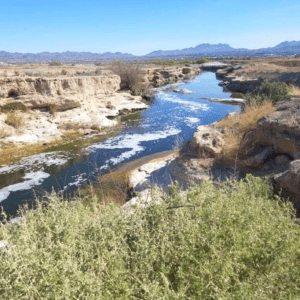
Clark County Wetlands Park protects 2,900 acres of wildlife habitat and recreational open space along the Las Vegas Wash. Ponds, streams, cottonwood trees, marsh plants, desert scrub, paved paths, and unpaved trails create a surprisingly green landscape on the eastern edge of the Las Vegas Valley.
Free trails, exhibits, wildlife viewing, art galleries, and educational programs make the park one of the most substantial outdoor free things to do in Las Vegas. No general admission ticket or parking payment is normally required for an ordinary visit.
The park is much larger than the area surrounding the Nature Center. Visitors can explore the 210-acre Nature Preserve, follow portions of the Wetlands Loop Trail, or begin at separate trailheads extending toward Lake Las Vegas and the River Mountains Loop Trail.
The Las Vegas Wash carries reclaimed water, urban runoff, shallow groundwater, and stormwater through the park before reaching Lake Mead. The water supports extensive habitat but is not intended for swimming, wading, fishing, boating, or other human contact.
Portions of Nature Preserve Way are closed near Wetlands Park Lane during sewer-infrastructure work. Visitors may encounter heavy equipment and loud construction activity Monday through Thursday from approximately 6:00 a.m. to 4:00 p.m. Future closures affecting Duck Creek Trailhead parking and restrooms are expected. The Wetlands Loop Trail also does not currently complete a full circuit. Check official alerts before visiting.
Last reviewed: July 20, 2026. Nature Center hours, trails, construction closures, parking access, wildlife activity, programs, maps, water conditions, and picnic-area availability can change.
Clark County Wetlands Park Quick Facts
- Admission: Free for ordinary park, trail, Nature Center, and Exhibit Gallery visits.
- Park Size: Approximately 2,900 acres.
- Nature Preserve: Approximately 210 acres.
- Outdoor Hours: Trails, trailhead parking, and trailhead restrooms are open daily from dawn to dusk.
- Nature Center Hours: Tuesday through Sunday from 9:00 a.m. to 3:00 p.m.
- Nature Center Closure: Closed Monday. Holiday and special-event hours may differ.
- Address: 7050 Wetlands Park Lane, Las Vegas, NV 89122
- Phone: (702) 455-7522
- Email: wetlands@clarkcountynv.gov
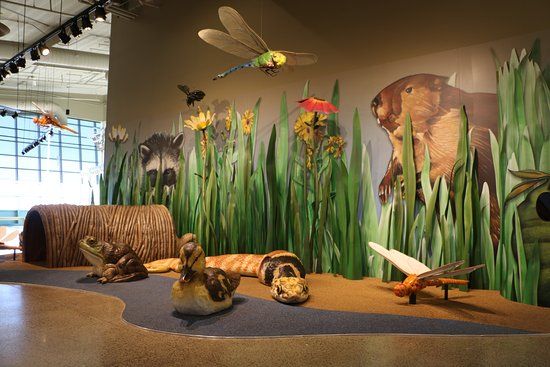
- Nature Center Exhibits: A 10,000-square-foot gallery with interactive displays, dioramas, art, educational activities, and park-history information.
- Wildlife: More than 310 bird species and over 70 species of mammals, reptiles, and amphibians have been identified in the park.
- Main Habitats: Riparian woodland, aquatic habitat, desert scrub, and mesquite woodland.
- Time Needed: Approximately one to three hours for the Nature Center and Preserve, or longer for extended trails.
- Best For: Families, birdwatchers, walkers, cyclists, photographers, nature enthusiasts, students, and local residents.
- Parking: Parking is available at the Nature Center and several trailheads. No standard parking fee is currently listed.
- Pets: Dogs are prohibited in the Nature Preserve but allowed on designated trails elsewhere when leashed.
- Bicycles: Prohibited in the Nature Preserve but permitted on designated routes such as the Wetlands Loop Trail.
- What May Cost Extra: Selected classes, registered programs, room rentals, Nature Store purchases, transportation, and optional activities.
Wetlands Park Nature Center and Exhibit Gallery
The Nature Center opened in 2013 and serves as the main orientation point for first-time visitors. Its exhibits explain how the Las Vegas Wash, reclaimed water, erosion-control structures, plants, animals, and human development have shaped the wetlands.
The building includes:
- A 10,000-square-foot Exhibit Gallery
- Interactive displays and hands-on activities
- Wildlife and habitat dioramas
- Historical and ecological exhibits
- The Nature Store
- An auditorium showing park-related films
- Rotating public-art galleries
- The Lizard Lounge picnic room
- Classrooms and meeting spaces
- Public restrooms
Admission to the Exhibit Gallery and regular art displays is free. Merchandise, drinks, snacks, registered classes, and selected special programs may cost extra.
The Nature Center received LEED Gold certification for sustainable design. Features include photovoltaic panels, passive-solar elements, water-efficient fixtures, and recycled building materials.
Review the official Wetlands Park Nature Center information.
Exploring the 210-Acre Nature Preserve
The Nature Preserve begins near the Nature Center and contains ponds, streams, marsh vegetation, cottonwood and willow habitat, shaded lanes, paved paths, and connecting unpaved trails.
Approximately three miles of paved, ADA-accessible trails provide access to much of the preserve. Surface conditions, grades, construction, weather, and temporary closures can still affect individual routes.
The preserve is managed primarily as wildlife habitat. To reduce disturbances:
- Dogs are not permitted.
- Bicycles are not permitted.
- Visitors must remain on designated trails.
- Wildlife may not be approached, fed, captured, or handled.
- Fishing, swimming, wading, and boating are prohibited.
- Plants, seeds, rocks, artifacts, and natural materials must remain in place.
The Nature Preserve is the best part of the park for visitors seeking an easy walk, birdwatching, shaded pathways, ponds, and a close connection with wetland habitat.
Trails and Trailheads Throughout Wetlands Park
Nature Preserve Trails
The Preserve contains approximately three miles of paved accessible trails plus connecting unpaved paths and shaded lanes. Dogs and bicycles are prohibited in this section.
Wetlands Loop Trail
The Wetlands Loop Trail is a multi-use route intended for walkers, runners, cyclists, and leashed dogs. The larger trail system extends around portions of both sides of the Las Vegas Wash.
Despite its name, it does not currently create a complete continuous loop. Visitors should study the latest map and construction notices rather than assuming they can circle the entire park.
The northern section is paved toward Powerline Crossing. Portions of the southern route are unpaved and may not be appropriate for all bicycles, strollers, wheelchairs, or mobility devices.
Duck Creek Trailhead
Duck Creek offers short accessible trails through dense shrubs, grasses, and trees. Features normally include shaded picnic tables, restrooms, dog-waste stations, drinking fountains, and paved parking.
Dogs are permitted on leash, but owners should keep them away from ponds and sensitive wildlife. Future construction closures affecting this trailhead are expected, so confirm access before visiting.
Wetlands Loop Trailhead
This family-oriented trailhead, formerly known as Neighborhood Park, includes access to Nature Preserve trails and the Nature Play Corner. Play features may include climbable wildlife art, a climbing wall, turf, animal tracks, and picnic tables.
Pabco Trailhead
Pabco provides views of the Las Vegas Wash, mature riparian vegetation, shaded picnic tables, a shaded amphitheater, equestrian staging, parking, and access to unpaved portions of the south trail system.
Wells Trailhead
A short desert-scrub walk leads from Wells Trailhead to a hilltop viewpoint with benches overlooking the Las Vegas Wash. The area normally includes shaded picnic tables and a waterless restroom.
Sunrise Trailhead
Sunrise Trailhead provides elevated views and connections toward the Flamingo-Arroyo Trail and the northern Wetlands Loop route. Its parking lot and restroom are currently closed because of damage, although roadside parking may be permitted where legally posted.
Powerline Crossing
Powerline Crossing connects the wetlands trail system with routes toward Lake Las Vegas and the River Mountains Loop Trail. Visitors planning a long-distance ride should check current trail conditions and water availability.
Birds and Wildlife at Wetlands Park
The park’s varied habitats support more than 310 documented bird species and over 70 species of mammals, reptiles, and amphibians.
Depending on the season and time of day, visitors may encounter:
- Great blue herons and other wading birds
- Ducks, coots, grebes, and shorebirds
- Red-winged blackbirds and songbirds
- Hawks, falcons, owls, and other raptors
- Hummingbirds, verdins, sparrows, and finches
- Beavers and other small mammals
- Coyotes and bobcats
- Snakes, lizards, frogs, and other desert wildlife
- Dragonflies, butterflies, bees, and aquatic insects
No particular animal or bird sighting is guaranteed. Wildlife may be hidden by vegetation, active only at certain times, migrating, nesting, resting, or avoiding busy trails.
Observe animals from a respectful distance. Never feed, pursue, call, corner, touch, capture, or attempt to pose with wildlife. Feeding can harm animals and cause them to associate people with food.
Visitors can photograph observations and contribute them to the Wetlands Park Nature Journal project on iNaturalist. Follow all trail and wildlife-protection rules while doing so.
How the Las Vegas Wash Supports the Wetlands
The Las Vegas Wash flows for approximately 12 miles through the park before entering Lake Mead. It carries treated reclaimed water from Las Vegas Valley wastewater facilities along with stormwater, shallow groundwater, and urban runoff.
The continuous water supply supports marshes, ponds, trees, fish, birds, insects, and other wildlife in an otherwise arid region. Wetlands vegetation also slows water, captures sediment, reduces erosion, and creates habitat.
Weirs and other erosion-control structures help reduce the force of the flowing water and stabilize the Wash. Visitors may see water moving over these structures from designated viewpoints and bridges.
The water is reclaimed and not intended for recreation or direct human contact. Throughout the park:
- No swimming or wading
- No fishing
- No boating or floating
- No entering ponds or streams
- No allowing pets to enter the water
- No drinking from natural waterways
Flash flooding can occur during storms. Leave low-lying trails and wash areas immediately when water rises, thunderstorms develop, or officials announce closures.
Family Activities, Picnics, and Educational Programs
Lizard Lounge
The climate-controlled Lizard Lounge inside the Nature Center offers views of the preserve and is the only approved indoor picnic location within the Nature Preserve.
Visitors may bring a prepared meal or purchase light snacks and drinks from the Nature Store. Cooking, grills, heating equipment, and food preparation are not permitted.
Outdoor Picnic Areas
Picnicking is allowed only at designated facilities, including selected tables at:
- Duck Creek Trailhead
- Wetlands Loop Trailhead
- Pabco Trailhead
- Wells Trailhead
- Sunrise Trailhead when accessible
Fires, grills, camp stoves, and fireworks are prohibited throughout the park.
Programs and Events
Wetlands Park offers guided walks, children’s stories and crafts, art activities, community-science events, volunteer projects, family programs, and seasonal events.
Many programs are free, but selected workshops, adult classes, reservations, or specialized activities charge a fee and require registration. Confirm the cost and age requirements for the individual program.
Nature Play Corner
The Nature Play Corner at Wetlands Loop Trailhead provides wildlife-themed climbing and play features. It is separate from the quiet Nature Preserve and works well for families who want active play before or after a nature walk.
Current Maps and the Wetlands Park Navigator App
The park is too large to explore effectively with one older static image. Construction, incomplete trail connections, closures, and changing access make Clark County’s current maps more useful.
The Clark County maps page includes the current park overview, Nature Preserve routes, trailheads, amenities, bicycle routes, and an interactive map.
Open the official Wetlands Park maps page.
The free mobile app provides maps, self-guided tours, park information, and location-based assistance. Download it before leaving reliable Wi-Fi or cellular service.
Check the legend carefully. Not every trail permits bicycles, dogs, horses, scooters, or other personal transportation devices.
Do not rely on the phrase “Wetlands Loop” to mean that a complete circular route is currently passable.
How to Find the Nature Center
The main Nature Center and Nature Preserve entrance is at 7050 Wetlands Park Lane on the eastern side of the Las Vegas Valley.
Wetlands Park Lane is reached from Tropicana Avenue approximately one mile east of the Boulder Highway intersection.
Address: 7050 Wetlands Park Lane, Las Vegas, NV 89122
The park has multiple trailheads spread across a large area. Entering only “Wetlands Park” into a navigation app may lead to a trailhead other than the Nature Center.
Driving
Follow signs for the Nature Center and use its designated paved parking area. Do not park on trails, dirt shoulders, construction routes, fire lanes, or spaces closed with barriers.
Rideshare
Confirm that the destination is the Nature Center rather than another trailhead. Arrange return transportation in advance, particularly near closing time or when visiting a remote trailhead.
Review the Las Vegas Ride Share Guide before traveling.
Public Transportation
Bus travel may require transfers and an extended outdoor walk. Routes, stops, schedules, construction detours, and final walking distances can change.
Review the complete trip through the Las Vegas public transportation guide.
Best Time to Visit Wetlands Park
Early Morning
Morning usually provides cooler temperatures, softer light, more active birds, and quieter trails. This is generally the best time during warm months.
Late Afternoon
Late-day light can improve wildlife and landscape photography. Leave enough time to return to the parking lot before the dawn-to-dusk trail closure.
Spring
Spring may bring migrating birds, flowers, insects, fresh vegetation, and comfortable temperatures.
Summer
Summer heat can become dangerous. Visit early, carry more water than expected, use sun protection, and spend part of the visit inside the Nature Center.
Fall
Cooling temperatures and seasonal migration make fall another productive time for walking and birdwatching.
Winter
Winter days can be comfortable, although mornings may be cold and shaded trails can remain cool. Migratory waterfowl may be present.
After Rain
Trails can become muddy, flooded, eroded, or closed after storms. Do not enter flowing water or cross barricades.
Important Park Rules and Safety Tips
- Use trails only from dawn to dusk: Do not remain on outdoor routes after closing.
- Check construction alerts: Nature Preserve Way and other areas may have temporary closures or heavy equipment.
- Do not enter the water: Ponds and streams contain reclaimed water and are closed to swimming, wading, boating, and fishing.
- Do not feed wildlife: Human food harms animals and changes their behavior.
- Keep dogs in permitted areas: Dogs are prohibited in the Nature Preserve and must remain on a leash no longer than six feet elsewhere.
- Use bicycles only on approved trails: Bikes are prohibited inside the Nature Preserve.
- No drones: Unmanned aircraft and model aircraft are prohibited.
- No fires or grills: Campfires, barbecues, stoves, and fireworks are not permitted.
- No alcohol or glass containers: Follow all park restrictions and remove every item brought in.
- Stay on established paths: Avoid trampling habitat, disturbing nesting areas, or creating unofficial routes.
- Bring water: Do not rely on every trailhead having a functioning fountain.
- Use sun protection: Shade varies significantly between trails.
- Watch for snakes: Look before stepping over rocks, approaching vegetation, or placing hands near the ground.
- Leave natural objects in place: Collecting plants, seeds, animals, rocks, or artifacts may require written permission.
- Obtain permits when required: Commercial photography, research, sampling, organized classes, and other specialized uses may need park approval.
- Pack out all waste: Litter can injure wildlife and enter the Las Vegas Wash.
See Clark County Wetlands Park
This video provides a preview of the Nature Center, ponds, wildlife habitat, and trails. Construction, exhibits, landscaping, maps, water levels, and trail access may have changed since it was recorded.
Clark County Wetlands Park FAQ
Q: Is Clark County Wetlands Park free?
A: Yes. General admission to the park, Nature Center, Exhibit Gallery, and trails is free. Selected classes, registered activities, store purchases, and facility rentals may cost extra.
Q: What are the current park hours?
A: Outdoor trails, trailhead parking, and trailhead restrooms are open daily from dawn to dusk.
Q: What are the Nature Center hours?
A: The Nature Center is currently open Tuesday through Sunday from 9:00 a.m. to 3:00 p.m. It is closed Monday.
Q: Is the park open on holidays?
A: Clark County states that outdoor park trails remain open on holidays. Nature Center holiday hours may differ.
Q: How large is Wetlands Park?
A: The entire park covers approximately 2,900 acres. The protected Nature Preserve near the Nature Center covers about 210 acres.
Q: Is the Wetlands Loop Trail a complete loop?
A: No. Clark County currently warns that the trail does not form a complete passable circuit. Study the current map before attempting a long route.
Q: Are there construction closures?
A: Yes. Portions of Nature Preserve Way are currently closed near Wetlands Park Lane, and sewer-infrastructure work may affect other trails and trailheads.
Q: Are dogs allowed?
A: Dogs are prohibited in the 210-acre Nature Preserve. Leashed dogs are allowed on designated trails and trailheads outside the preserve, including Duck Creek and Wetlands Loop routes.
Q: Are bicycles allowed?
A: Bicycles are prohibited in the Nature Preserve but allowed on designated multi-use routes. Check the official bike map before riding.
Q: Can visitors swim or wade in the ponds?
A: No. The ponds and streams contain reclaimed water and are not intended for human contact.
Q: Is fishing allowed?
A: No. Fishing is prohibited throughout the Las Vegas Wash and all waters within Wetlands Park.
Q: Can visitors bring a picnic?
A: Yes, but food may be eaten only in designated picnic areas. The Lizard Lounge is the approved indoor picnic room at the Nature Center.
Q: Are grills allowed?
A: No. Fires, grills, stoves, and fireworks are prohibited.
Q: What animals live in the park?
A: More than 310 bird species and over 70 species of mammals, reptiles, and amphibians have been documented. Sightings vary by season, habitat, weather, and time of day.
Q: Are coyotes dangerous?
A: Coyotes are wild animals and should never be approached or fed. Keep a respectful distance, supervise children, and keep pets only in designated areas under full control.
Q: Are restrooms available?
A: Restrooms are available at the Nature Center and selected trailheads. Construction, vandalism, maintenance, or seasonal conditions may temporarily close individual facilities.
Q: Is the Nature Preserve wheelchair accessible?
A: It includes approximately three miles of paved ADA-accessible trails. Construction, slopes, surface conditions, flooding, and temporary closures can still affect specific routes.
Q: Is the park suitable for children?
A: Yes. The exhibits, paved trails, wildlife, programs, picnic areas, and Nature Play Corner can work well for families. Adults must supervise children around water, wildlife, roads, heat, bicycles, and uneven trails.
Q: Is Clark County Wetlands Park worth a special trip?
A: Yes for birdwatchers, walkers, families, photographers, cyclists, and nature enthusiasts. First-time visitors should begin at the Nature Center and explore the Nature Preserve before attempting longer trail routes.